Is day trading legal in Thailand? (2026 guide)


A lot of people living, or at least staying, in Thailand get into trading and only think to ask this question after they’ve already opened an account somewhere. So, if you’re asking it now, before putting any money down, well done and read on!
But essentially, day trading is legal in Thailand. But depending on what you are trading and where your broker is based, the rules can look quite different. This guide covers what is actually permitted, who regulates what, and a few things around taxes that most beginner traders in Thailand find out too late.
What Markets Can You Actually Trade?
When people say “day trading”, they usually mean something different depending on who you ask. In Thailand, there are a few distinct options.
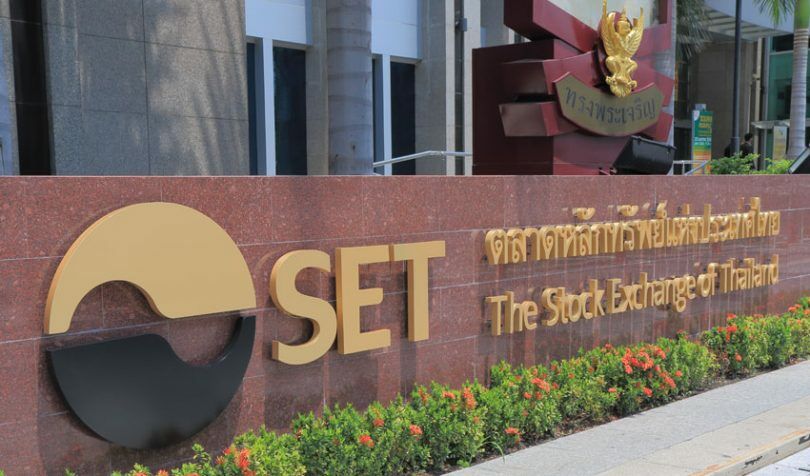
The Stock Exchange of Thailand (SET) and its smaller counterpart, the Mai, are the local stock markets. Thai residents can trade shares here through licensed local brokers, and this is the most straightforward and fully regulated option available to you.
Then there is the Thailand Futures Exchange (TFEX), which handles futures and derivatives contracts. This falls under local regulation as well and is a legitimate option for more experienced traders interested in products like gold futures or SET50 index futures.
Forex and CFD trading is the third category, and this is where things get a bit less tidy. Most forex trading in Thailand happens through international brokers that are not licensed by Thai authorities. That does not make it illegal, but it does mean the rules are different, and we will get into that below.

Who Regulates Trading in Thailand?
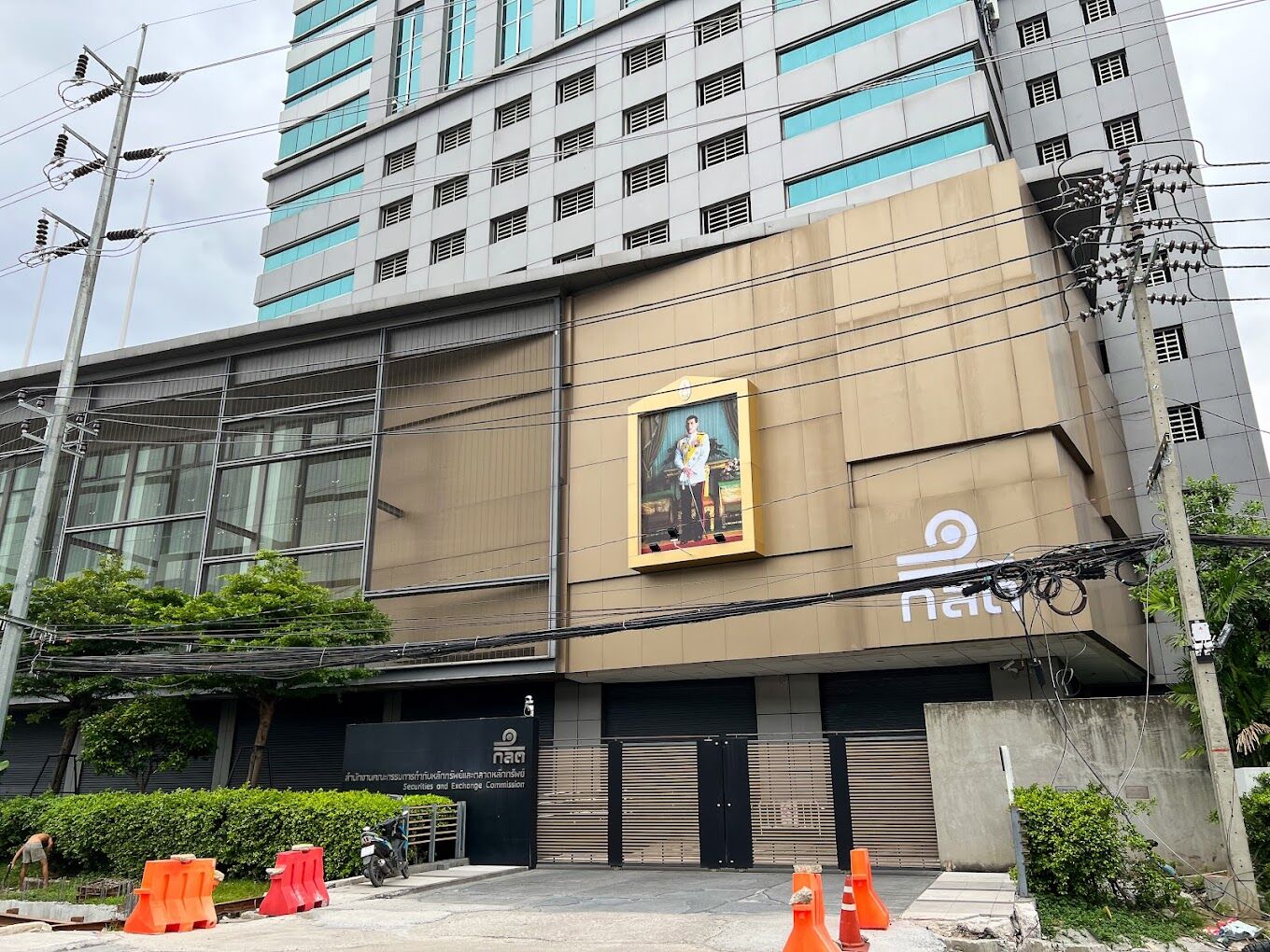
Two bodies matter here. The Securities and Exchange Commission Thailand (SEC Thailand) oversees securities, investment products, and the brokers and advisors who offer them domestically. If a broker is licensed by the SEC, they are subject to Thai law and investor protection rules.
The Bank of Thailand (BOT) handles the currency side of things, including foreign exchange controls. This becomes relevant when you are funding an overseas broker account or withdrawing profits back into your Thai bank account.
Neither of these bodies bans Thai residents from using foreign trading platforms. But foreign platforms are not accountable to Thai regulators either. If a broker based in, say, Vanuatu disappears with your deposit, the Thai SEC cannot help you get it back.
Forex Trading: Legal but Not Locally Regulated
Most traders in Thailand who are active in forex are using international brokers, platforms like XM, IC Markets, Exness, or Pepperstone. These brokers are widely used across Southeast Asia and are regulated in countries like Australia (ASIC), the UK (FCA), or Cyprus (CySEC).
Using these platforms is not against Thai law. There is no regulation that says Thai residents cannot trade currencies or CFDs through a foreign broker. The grey area comes from the fact that Thai authorities have no jurisdiction over those companies, so the protection you get depends entirely on the quality of the foreign regulator.
The BOT does impose foreign exchange controls, so if you are regularly moving large sums out of Thailand to fund trading accounts, that is something to be aware of. For most retail traders working with amounts in the range of a few thousand to tens of thousands of baht, this does not usually cause practical problems, but it is not a rule to ignore entirely.
If you want to get into day trading properly rather than just clicking buttons and hoping for the best, WRTrading is worth looking at. It is a mentorship-based platform that focuses on high-risk, high-reward ratio strategies with a realistic time commitment, and they publish broker comparisons that can help you figure out which platforms are actually worth using.

Taxes: The Part Nobody Wants to Think About
This is genuinely the area where most traders in Thailand get caught out, so pay attention here.
Thailand does not apply capital gains tax to profits made from trading shares on the SET. That part is clean. But for foreign-sourced income, including profits from forex trading or CFDs through international brokers, the situation changed in 2024.
The Thai Revenue Department updated its rules that year to clarify that any foreign-sourced income remitted to Thailand is taxable in the year it is received, regardless of when it was earned. So if you made trading profits sitting offshore and then brought that money back into a Thai bank account, it is considered assessable income.
Thailand uses a progressive personal income tax system:
- Income up to 150,000 baht per year is exempt
- From there, rates go from 5% up to 35% depending on total annual income
If your trading is generating real money and you are bringing it into Thailand, talking to a local tax advisor is not just a good idea; it is something you should actually do before the end of your first profitable year.
Picking a Broker When You Live in Thailand
For Thai stocks, you need a locally licensed broker. Opening an account involves a standard KYC process and usually requires a Thai bank account.
For forex and CFDs, the choice is wider but needs more care. The key things to check are:
- Whether the broker holds a license from a credible regulator (ASIC, FCA, and CySEC are the most respected for retail traders)
- Whether Thai clients are actually covered under that license or whether you are redirected to an offshore entity
One practical thing worth knowing: some international brokers ask for phone number verification during sign-up. If you want to keep your personal number separate during the registration process, some traders use a generatore di numeri di telefono to get a temporary number for that step. Just check the broker’s verification requirements first, since some will eventually require you to confirm a number tied to your actual identity.
Crypto Trading in Thailand
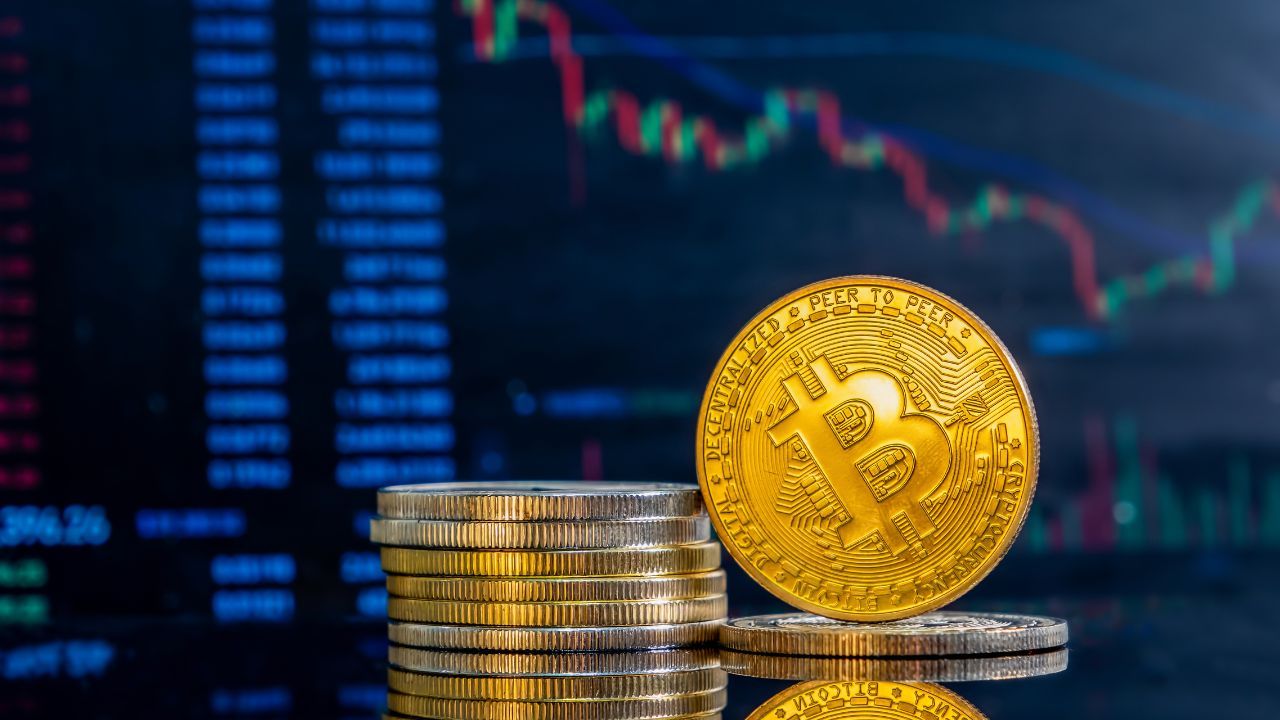
Crypto day trading is legal and regulated in Thailand. The SEC Thailand brought digital assets under its framework back in 2018, which is earlier than most countries in the region. Licensed exchanges operating locally include Bitkub, which remains the dominant platform, and Gulf Binance, which came in more recently after a partnership between Gulf Energy and Binance.
Trading on foreign unregulated crypto exchanges is not illegal, but the lack of local oversight means disputes are harder to resolve and investor protections are minimal.
A Few Things That Catch Traders Off Guard
Skipping the tax conversation is the biggest one. A lot of traders assume that because their broker is overseas and profits sit in a foreign account, they have no Thai tax obligation. The 2024 Revenue Department update makes that assumption risky.
Not checking the broker regulation is another common mistake. A well-designed website does not mean a broker is properly licensed. Scam brokers still actively target traders in Southeast Asia in 2026, often through social media ads and fake reviews. Always look up the broker’s actual license number on the regulator’s public database.
And finally, going in without a real strategy. Most people who blow their first trading account do so not because the market was rigged against them, but because they had no structured approach to entries, exits, or risk. Day trading is a skill with a learning curve, and those who eventually make it work almost always invested time in actually understanding what they were doing before they started betting real money.

Day trading is legal in Thailand. You can trade local stocks through SEC-licensed brokers, use TFEX for futures, and access international forex and CFD brokers without breaking any laws. The important things to get right are tax reporting on foreign income you bring back into Thailand, broker selection based on actual regulatory standing, and building a trading approach that has some structure to it before you start risking real money.
If you are just getting started, take the time to do it properly. The traders who stick around are the ones who treated it seriously from the beginning.
Latest Thailand News






















Follow The Thaiger on Google News: