
Did you know that with just a few simple ingredients – you can recharge last year’s old potting soil and reuse it again for all of your potted plants this year?
Every spring, gardeners face the same question. What to do with all of the potting soil left behind in last year’s containers? Pots that once held flowers, vegetables, and herbs are now filled with soil that looks tired, compacted, and lifeless.
For many gardeners, that soil unfortunately ends up dumped out and replaced with fresh bags from the store. And can it ever be expensive to keep doing that year after year!
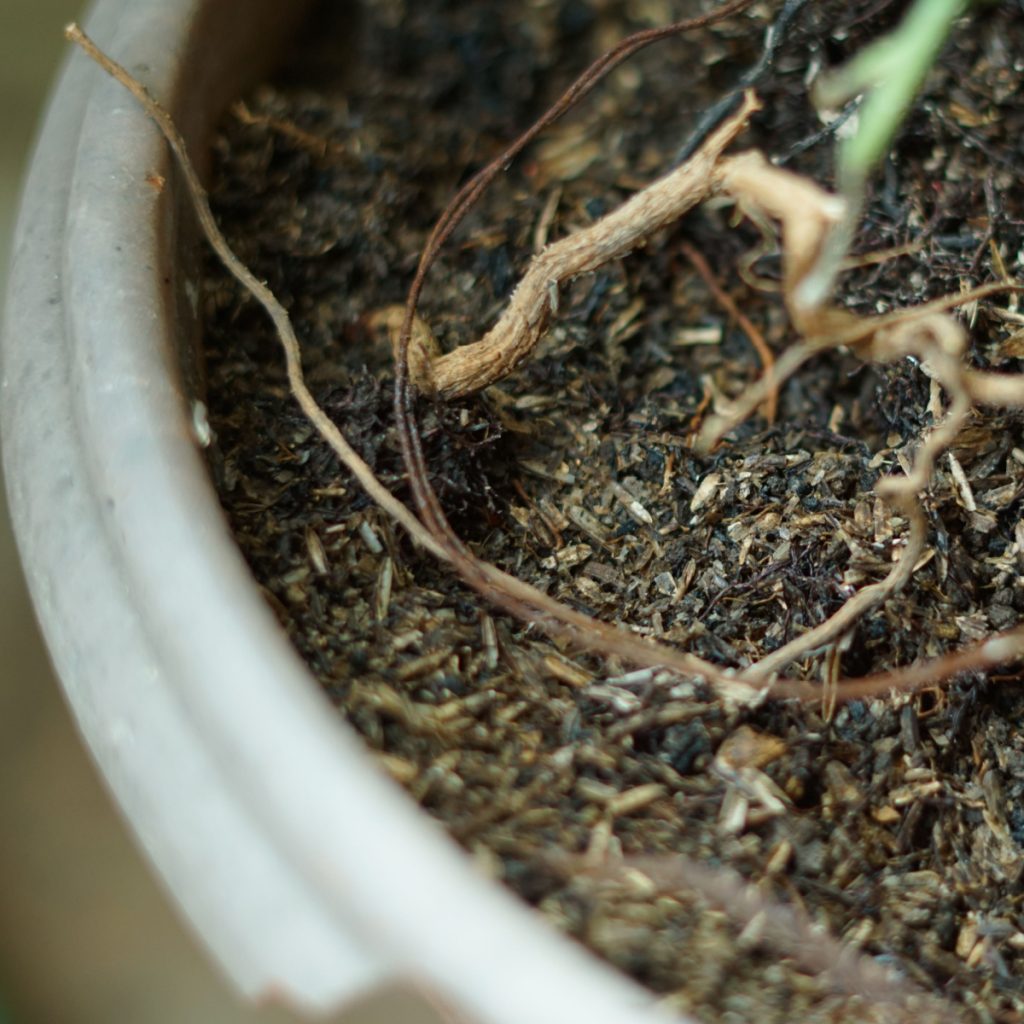
The truth is, most old potting soil is far from useless. In fact, with a little spring recharging, it can be turned into high-quality growing soil once again. Even better, reusing your potting soil saves money, reduces waste, and often results in better plant growth than starting from scratch.
How To Reuse Last Year’s Potting Soil
Why Old Potting Soil Struggles With New Plants
Potting soil lives a tough life. Unlike garden soil, it is confined to containers where water flows through it constantly. Each watering slowly flushes nutrients out of the soil. As roots grow and die back, the soil structure collapses. Air pockets disappear, drainage slows, and moisture becomes uneven.
This is why plants often struggle late in the season. Roots can’t breathe, soil dries out too quickly on hot days, and nutrients are no longer available when plants need them. But none of this means you should throw the soil away. It simply means you need to refresh it.
Reusing old potting soil is really about rebuilding three things. Structure, moisture control, and fertility. When those all come back – your soil will perform better that ever.

The Simple Steps To Success
The first step to reuse old potting soil is to gather it all into one pile. This allows you to recharge it evenly so every container gets the same high-quality mix. If you only have a few pots, a wheelbarrow works great. If you have many containers, laying out a tarp on the ground makes the job fast and easy.
Dump all of the old soil into a single pile. Once it’s together, take the time to remove old plants and roots. This step matters more than many gardeners realize. Old root systems left behind can block new root growth and may carry disease or pests from last season.
Pull out large roots by hand and break apart compacted clumps. The cleaner the base soil is, the better the final result will be. When finished, the soil should be loose, crumbly, and free of visible plant debris.
Adding Compost To Help Reuse Last Year’s Potting Soil
Once your soil pile is clean, compost is the first ingredient to add. Compost is the backbone of recharged potting soil and does most of the work in restoring structure. No matter how large your pile of old soil is, add roughly one third additional compost to it.
Compost improves soil in several ways at once. It loosens compacted soil, allowing roots to grow freely. Compost also helps soil hold moisture without becoming soggy. Lastly, it also feeds beneficial microorganisms that help plants absorb nutrients more efficiently.

For potting soil, the finer the compost, the better. Fine compost blends evenly and creates a light, uniform texture that works especially well in containers. If your compost is coarse, break it up as much as possible before mixing. Affiliate Link: R&M Organics Premium Organic Bagged Compost
After adding the compost, mix it thoroughly into the old soil. Turn the pile several times with a shovel or garden fork. When finished, the soil should already look darker and feel lighter than it did before.
Using Worm Castings To Add Slow, Steady Power
The next step in spring recharging is adding worm castings. Worm castings are one of the most powerful natural soil amendments you can use, especially in containers. They don’t force fast growth. Instead, they build long-term plant health.
A good rule of thumb is to add two to three cups of worm castings for every five-gallon bucket of old potting soil. If you’re estimating your pile size, don’t worry about being exact. Even small amounts go a long way. Affiliate Link: 100% Pure Organic Mineral-Dense Worm Castings Fertilizer
Worm castings add nutrients in a form plants can absorb easily over time. They also improve moisture retention, helping containers dry out more evenly between waterings. This is especially important during hot summer months when pots can dry out quickly.

Another major benefit of worm castings is their impact on soil structure. They help rebuild tiny air spaces within the soil that allow roots to breathe. When compost and worm castings are used together, the difference in plant performance is noticeable.
After adding the worm castings, mix the soil pile again. Make sure the castings are evenly distributed throughout the compost and old soil.
Don’t Forget The Perlite
The final ingredient in recharging old potting soil is perlite. Perlite is a lightweight volcanic glass that has been heated and expanded into small white pellets. Its primary job is to keep soil loose and well-draining. Even if your old potting soil already contains perlite, it’s important to add more. Over time, perlite washes out of containers. Without enough of it, soil becomes dense and holds too much water.
Add one to two cups of perlite for every five-gallon bucket of old potting soil. This small amount makes a big difference. Perlite prevents compaction, improves drainage, and increases airflow around roots. Affiliate Link: All Natural Perlite
Soil that drains well is easier to water correctly. Plants are less likely to suffer from root rot, and roots grow deeper and stronger when oxygen is readily available. Mix the perlite thoroughly into the soil pile until it is evenly distributed.
Listen In To Our Latest Podcast Below!

Finishing The Mix
Once compost, worm castings, and perlite are in the mix, your potting soil is officially refueled. The finished soil should feel light, fluffy, and crumbly in your hands. It should not feel heavy, sticky, or compacted.
If the soil is extremely dry, lightly moisten it so it is evenly damp but not wet. This helps activate microbial life and makes the soil easier to work with when filling containers. When planting, fill pots loosely and avoid pressing the soil down. Compaction defeats the purpose of recharging. Roots grow best when soil can settle naturally with watering.
One of the biggest benefits of reusing potting soil is that it actually improves over time. Each year, organic matter continues to break down and enrich the soil. Microbial life increases, and structure becomes more stable.
Instead of starting over every spring, you’re building a better growing medium season after season. Plants become easier to manage, watering becomes more consistent, and fertilizing needs are reduced.
Reusing potting soil also saves a surprising amount of money. Large containers require a lot of soil, and bagged mixes add up quickly. Recharging what you already have keeps more money in your pocket while producing better results.
Saving Big!
With a pile of old soil, some compost, a few cups of worm castings, and a bit of perlite, you can recharge and reuse your old potting soil with ease. Spring recharging doesn’t just let you reuse last year’s potting soil – it gives your entire growing season a better start!
And if you don’t have old potting soil around – you can still save big by making your own at home too. For that, check out our article: The Perfect Potting Soil Recipe – Made With Just 5 Simple Ingredients!
This Is My Garden
Follow Our Facebook Page For Great Gardening Tips And Advice! This Is My Garden Facebook Page
This Is My Garden is a garden website created by gardeners, for gardeners. Jim and Mary Competti have been writing gardening, DIY and recipe articles and books and speaking for over 15 years from their 46 acre Ohio farm. They publish three articles every week, 52 weeks a year. Sign up today to follow via email, or follow along!