AKC is a participant in affiliate advertising programs designed to provide a means for sites to earn advertising fees by advertising and linking to akc.org. If you purchase a product through this article, we may receive a portion of the sale.
On a warm day, you’re probably used to seeing your dog panting to keep themselves cooler at the same time you feel those annoying droplets of sweat forming on your own overheated brow. Your dog doesn’t seem to be sweating in the same way that you are, but contrary to popular belief, dogs do sweat, but it’s only a small part of their cool-down process. Let’s dive in!
How Do Dogs Sweat?
Dogs only produce sweat in certain areas of their bodies. Dogs have two types of sweat glands:
- Merocrine glands
- Apocrine glands
Merocrine sweat glands function in a similar way to human sweat glands. Located in your dog’s paw pads, these glands activate when your pet is hot in order to help cool them down. This is why you might notice damp paw prints on the ground during particularly hot days.
Most dogs are covered in fur, so if sweat glands were located elsewhere on their bodies, the sweat would have trouble evaporating, and cooling takes place when sweat evaporates. That’s why it’s much more efficient for dogs to have sweat glands in their paw pads, where there is less fur.
Apocrine sweat glands are different from merocrine glands. While veterinarians consider apocrine glands to be sweat glands, their main purpose is to release pheromones, and not to cool your dog off. These glands are located all over every dog’s body, and they help a dog identify other dogs by scent.
What’s the Point of a Dog’s Panting?
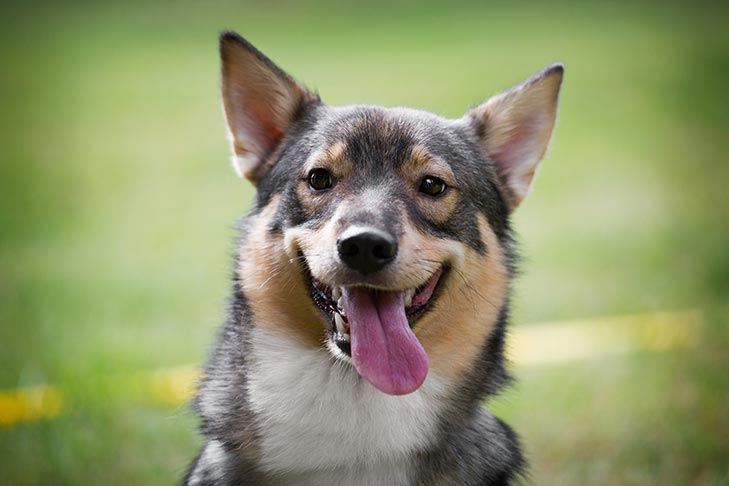
Sweat plays a very small role in cooling down your dog. Dogs rely on panting for the majority of their temperature regulation. When dogs pant, moisture from their tongues, nasal passages, and the lining of their lungs evaporates, cooling them down.
Dogs also rely on vasodilation, or the expansion of blood vessels (especially in their ears and face), to cool down. When the blood vessels expand, they bring the hot blood closer to the surface of the skin, which allows the blood to cool down before returning to the heart, which helps regulate their internal body temperature.
Does Fur Make Dogs Hot?
“Your dog’s coat actually acts as an insulator. A dog’s coat captures air to keep out the cold and hold heat in during winter, and to keep your dog cooler in hot weather,” explains Dr. Jerry Klein, Chief Veterinary Officer for the AKC.
“This is why you should not shave a double-coated breed. The inner coat, which is shed regularly, is also the dog’s insulating coat. Shaving that coat to reduce shedding or supposedly to keep the dog cool also eliminates that insulating layer of fur and makes the dog susceptible to heatstroke and can result in improper hair growth and the possibility of follicle damage.”
Heatstroke in Dogs
Unfortunately, panting, vasodilation, and limited sweating are not as effective in cooling dogs down as sweating is for humans. This poses risks, ranging from heat stress and heat exhaustion to heatstroke, for dogs.
Heatstroke is a serious concern for all dogs, but Dr. Klein warns that it is especially dire for brachycephalic breeds that have short noses and flat faces, such as Pugs, Boxers, Bulldogs, Boston Terriers, and French Bulldogs. Due to their unique anatomy, these breeds are not able to cool themselves as efficiently as other dogs. Dogs that have had heatstroke before, overweight dogs, and those with dark coats are also at higher risk for heatstroke.
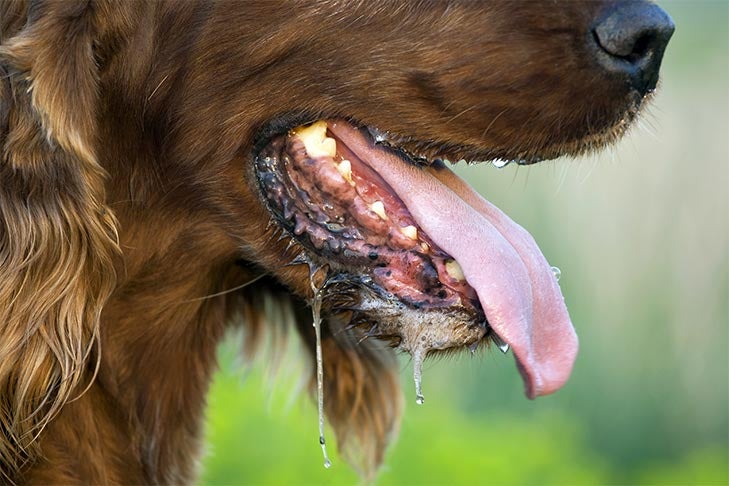
Heatstroke occurs when a dog’s body temperature rises and they overheat. If left untreated for too long, it can be fatal. Every dog owner should be aware of these signs of heat stress and heatstroke:
- Heavy, frantic panting
- Dehydration
- Body temperature over 41° Celsius (105.8° Fahrenheit) and your dog feels warm to the touch
- Excessive drooling
- Bright red gums
- Rapid or irregular heart rate
- Vomiting
- Seizures
- Muscle tremors
- Lack of coordination (ataxia)
- Unconsciousness
If you suspect that your dog is suffering from heatstroke or heat stress, remove them from the heat and call your veterinarian immediately. You will need to take them to an animal hospital, but in the meantime, you can run cool water on them from a hose or in the bathtub or put a soaked towel on their body. Always keep their head elevated and out of the water. Also, you can give your dog some cool water to drink.
Keeping Your Dog Cool
We might not be able to make our dogs sweat, but we can help them regulate their body temperature by controlling their environment. If your dog is spending time outdoors, make sure they have has access to shade and plenty of clean water at all times. Also, keep an eye on the temperature inside your house to ensure that it’s cool enough for your pets. Never leave your dog unattended in a car, even for a few minutes, as temperatures inside a vehicle can quickly climb to dangerous levels.
Don’t exercise your dog when it’s too hot outside. Instead, do it very early in the morning or wait until the end of the day. Not only can the air temperatures be challenging, but hot sidewalks or pavement can burn their paws.
If you’ve been outside on a milder day playing fetch, carry their favorite ball as you walk back home, so they’ll be better able to pant and cool themselves off after exercising. You can also try a cooling vest or cooling bandana to help keep your dog comfortable while you’re out and about on warm days. Even if it isn’t strictly sweltering out, warmer days can be challenging for senior dogs, puppies, and dogs with heavy or dark-colored coats, so be sure to monitor your individual dog and their needs, no matter the weather.
By learning how dogs regulate their body temperature, you can help keep them stay cool, safe, and healthy year-round.
This article is intended solely as general guidance, and does not constitute health or other professional advice. Individual situations and applicable laws vary by jurisdiction, and you are encouraged to obtain appropriate advice from qualified professionals in the applicable jurisdictions. We make no representations or warranties concerning any course of action taken by any person following or otherwise using the information offered or provided in this article, including any such information associated with and provided in connection with third-party products, and we will not be liable for any direct, indirect, consequential, special, exemplary or other damages that may result, including but not limited to economic loss, injury, illness or death.