When your dog behaves in ways you don’t like, do you ever ask, “Why is my dog being bad?” It seems like an obvious question, but buried underneath is the assumption that dogs act up on purpose or to make a point. They don’t! In fact, much of what people call “bad dog behavior” is actually dogs just being dogs. Although they’re domesticated, dogs still have instincts and interests more suited to life in the wild than life on the couch.
If you understand what’s driving your dog’s misbehavior, you can better address it and ensure you’re meeting your dog’s needs. Here are some of the ways your dog’s natural behaviors may come into conflict with your expectations, and how to address them.
Why Dogs Bark

Dogs use vocalizations, like barking, to communicate. From alerting you to an intruder, to requesting play, to expressing loneliness, dogs have different barks for different contexts. To expect your dog to never bark is both unrealistic and unfair. Imagine taking a vow of silence!
Learn to understand the meaning of your dog’s barks, so you can respond accordingly. An alert bark might require an acknowledgment like “thank you,” whereas an attention-seeking bark might indicate your dog is bored. To prevent nuisance barking, be sure your dog is getting enough mental stimulation and physical exercise. And never take their quiet behavior for granted. If your dog only gets attention when they’re loud, pretty soon all you’ll hear is barking.
Why Dogs Pull on the Leash
Why does your dog pull on the leash? To get where they want to go faster, since people walk too slowly for most dogs. In addition, dogs’ keen noses pick up all kinds of scents they’re excited to follow. Remember, being tethered to a human isn’t something dogs come hardwired to understand. Moving independently at their own pace is what comes naturally to them.
Train your dog to walk with a loose leash by positively reinforcing your dog every time the leash is slack. Use praise, treats, and the opportunity to keep walking. But if the leash is taut, stop walking and wait, or encourage your dog to return to you before taking another step.
Why Dogs Dig

You might wonder why dogs dig. Digging is an instinctual behavior that dogs engage in for many reasons, including creating a cool place to rest, searching for prey, escaping the yard, and burying bones. And in the Terrier Group, these breeds strengthened their go-to-ground instincts during their development. No wonder they’re also called “earthdogs.”
To limit digging, change your dog’s perception of the yard with outdoor training sessions or puzzle toys. And don’t leave your dog outside for long periods unsupervised. Or consider creating a dig garden filled with rubber toys, so your dog can limit their digging to one place. Teaching your dog to dig on cue can also help you redirect this behavior to appropriate locations.
Why Dogs Ignore You
Does your dog refuse to listen at times? Maybe they look away, yawn, or sniff the ground. It may seem like your dog is ignoring you, but in dog body language, these behaviors can actually indicate that your dog is stressed. Dogs look away from whatever is bothering them. Yawning can be a sign of discomfort, and sniffing the ground can be a displacement behavior that dogs use when overwhelmed.
Ask yourself if your dog truly understands what you’re expecting of them. If not, take a step back in your training. Also, be mindful of your own body language and the tone of your voice. If you can’t stay positive and upbeat, try again later. Frustration on both sides will cause your dog to feel distressed.
Why Dogs Chew
There are many reasons why your dog may chew your possessions or your baseboards and furniture. But, your shoe didn’t become a chew toy because your dog is mad at you. It happened because your dog had nothing better to do. Chewing is a way for puppies to relieve teething pain and for adult dogs to pleasantly pass the time.
To prevent inappropriate chewing, keep things out of your dog’s reach and train a solid “leave it” cue. But just as importantly, provide safe chewing alternatives, such as edible chews or food-stuffed chew toys. Also, make sure your dog is getting enough mental and physical exercise, so they don’t have to create their own fun.
Why Dogs Jump Up
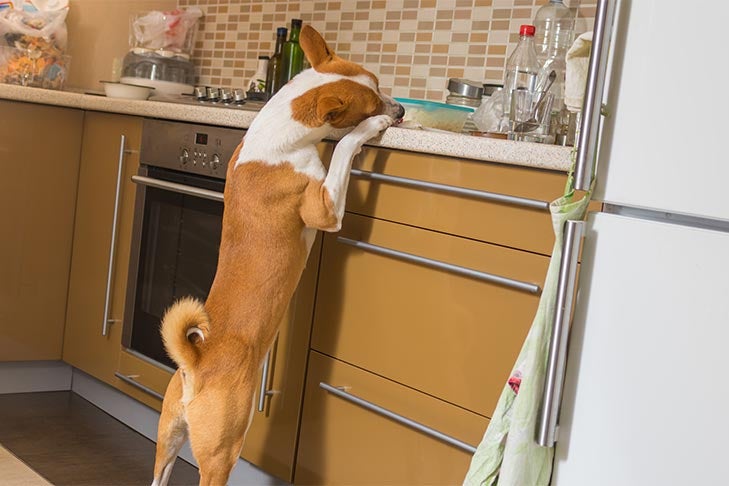
If your dog jumps up on you or visitors, it’s simply to say hello face-to-face. Plus, jumping is a great way to get human attention. You might be accidentally encouraging undesirable behaviors if you allow your dog to jump on you sometimes but not others. Dogs need consistent rules that apply to everybody. Plus, even negative attention, like yelling or shoving, is better than no attention at all.
Never reward your dog for jumping up. Instead, teach your dog an alternative way to say hello, such as sitting or placing all four paws on the floor. While your dog is still learning, prevent them from jumping. For example, consider installing a dog gate at the front entrance or sending your dog to their place when the doorbell rings.
Why Dogs Growl
It’s a common belief that dogs growl to show aggression. But dogs growl for many different reasons, from playing to giving a threat, so it’s up to you to look at the context. Most growls indicate your dog is feeling uncomfortable or stressed. If the situation doesn’t change, they might feel forced to bite.
Never punish growling. A dog who has been corrected for growling may bite without warning. Instead, be your dog’s advocate, so they rarely feel the need to growl from stress. And when they do, if you can step in safely, get your dog out of that situation. Learn to interpret your dog’s vocalizations, so you know when growling is cause for concern. And if your dog growls to play or say hello, learn to love their quirky personality.