
 E-Paper


PMC orders all departments to intensify drive against mosquito breeding
According to the PMC’s latest vector-borne disease report, the city has recorded 1,155 suspected and 47 confirmed dengue cases so far this year

 Prefer HTon Google


The Pune Municipal Corporation (PMC) has directed all its departments to step up measures to prevent mosquito breeding across the city amid weather conditions that are conducive to the spread of dengue, chikungunya and other vector-borne diseases.
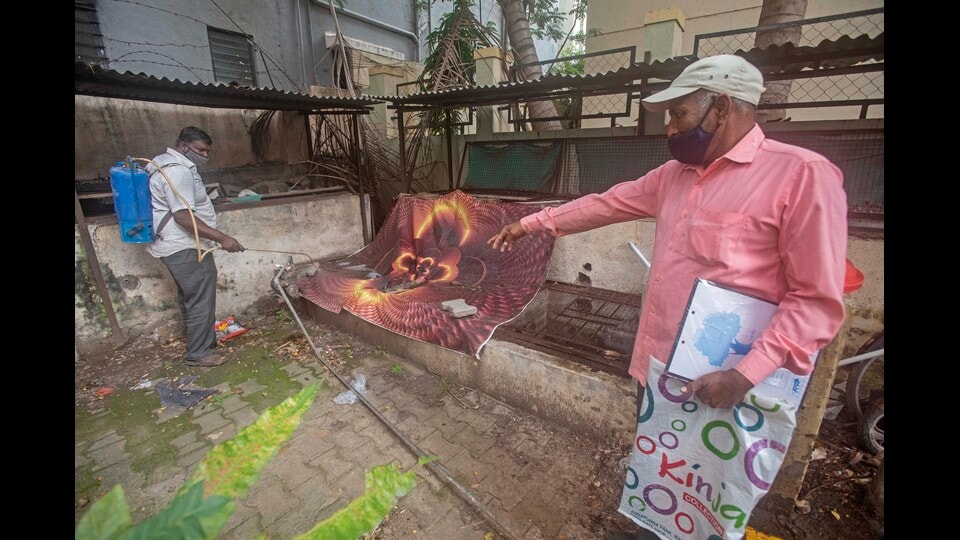
Additional municipal commissioner Pavneet Kaur issued the directions at a meeting of senior civic officials on Monday, where officials reviewed comparative data on dengue, chikungunya and malaria cases recorded in Pune over the past three years. Cases were also mapped across all 41 municipal wards to identify areas requiring greater preventive action.
According to the PMC’s latest vector-borne disease report, the city has recorded 1,155 suspected and 47 confirmed dengue cases so far this year. Of the suspected cases, 484 were reported in August alone; the highest monthly figure recorded this year. Laboratory tests by the National Institute of Virology have confirmed 47 dengue cases, while 21 chikungunya cases have also been reported.
Kaur directed civic departments to identify and immediately eliminate stagnant water sources that could become mosquito-breeding sites. “I have asked the health department to intensify preventive measures in areas where cases of vector-borne diseases have been reported and conduct awareness campaigns among residents,” Kaur said.
The civic body has asked the anti-encroachment department to ensure that seized material does not become a source of stagnant water. It has also ordered action against unauthorised tyre and puncture shops operating along public roads and footpaths.
The solid waste management department has been directed to remove discarded thermocol, coconut shells and other material from public places and ensure that waste and discarded tyres in slum areas do not collect rainwater. It will coordinate with the health department to take punitive action against housing societies and households where mosquito breeding is detected.
The garden department has been instructed to prevent water stagnation in civic gardens and public fountains. Guppy fish will be introduced in fountains and other suitable water bodies as a mosquito-control measure, while dengue prevention banners will be displayed at prominent locations.
The environment department has been directed to remove water hyacinth from the Mula-Mutha riverbed and locations including Manjari, Holkar bridge and Mhalunge-Pashan lake.
Construction sites have also come under scrutiny. The building department will inspect ongoing projects and instruct contractors to ensure proper drainage of water, with action against violations. The road and project departments have been asked to drain stagnant water at excavation sites; and clear drains, stormwater lines and chambers to ensure proper water flow.
The PMC has also appealed to residents to observe a ‘dry day’ once a week by emptying and cleaning containers and removing unused tyres and scrap from terraces. Citizens have been urged to ensure that water does not accumulate in flower pots, refrigerators and coolers.
Each civic department will appoint a nodal officer to monitor mosquito-breeding sites and coordinate with the vector-borne disease prevention department. The PMC has appealed to residents, housing societies, shops and other establishments to prevent water stagnation and support its preventive measures.


